©

Gregoire Le Bacon

Assessment of greenhouse gas emissionsThe tourism sector in The Islands of Tahiti

Greenhouse gas emissions balance for the tourism sector in The Islands of Tahiti

Ajouter aux favoris

As part of the implementation of the country’s sustainable tourism strategy, Fāri’ira’a Manihini 2027, the Presidency, the Tourism Department and Tahiti Tourisme, with the support of ADEME (Agence de l’Environnement et de la Maîtrise de l’Energie), have carried out a study of greenhouse gas emissions from the tourism sector in The Islands of Tahiti.

Towards low-carbon tourism: Our environmental balance sheet methodology Measuring for better action

Carbon footprint analysis

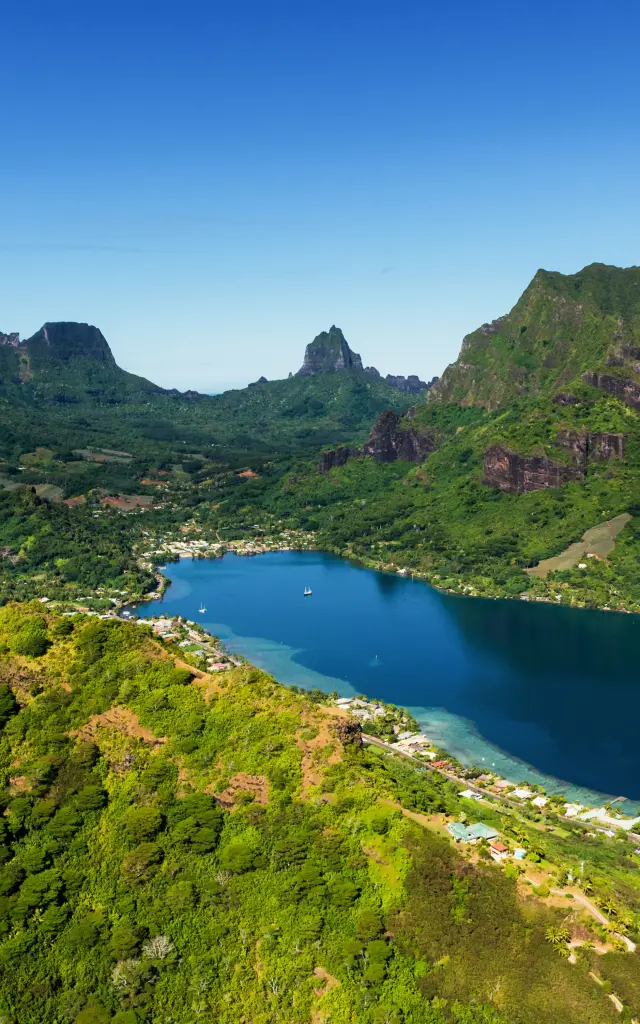
The Islands of Tahiti has used 2019, a year of high visitor numbers, as the basis for an in-depth study to identify the sources of greenhouse gas emissions from the tourism sector. This carbon assessment is an essential prerequisite for the destination’s sustainable development strategy. By precisely quantifying the existing situation, Tahiti Tourisme has given itself the means to define a concrete action plan, activating mitigation and adaptation levers to preserve our archipelagos in the long term.
©

Tahiti logo

Assessment of greenhouse gas emissions

“This assessment is the prerequisite for defining an action plan to activate mitigation and adaptation levers.

Tourism Department

Multidisciplinary expertise

Serving Fenua

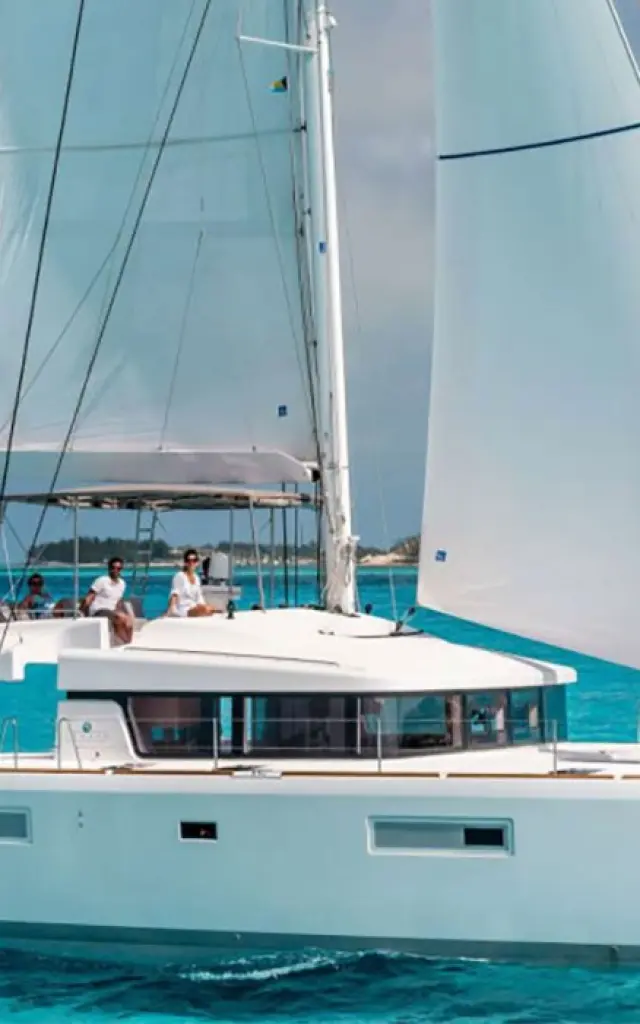
To guarantee the reliability of the results, the study was entrusted to a group of experts comprising the Polynesian office Pae Tai Pae Uta, the French company Intermezzo and the firm Alter Echo. Inspired by the French national methodology of 2021, the analysts have adapted their approach to the specific characteristics of Polynesia. The scope of the survey is exhaustive: it covers transport, land and floating accommodation (cruises, yachting), catering, as well as vital water and waste management throughout the territory.

This scientific approach is based on rigorous data collection and numerous interviews with stakeholders in the field. Beyond the figures, this report is a strategic tool for all service providers – whether in the events, culture or leisure sectors – to understand the impact of tourism purchases and activities on our environment. The conclusions of this study, available as a summary or as a full report, now pave the way for a more resilient tourism model that respects the Mana of our islands.

Our actions

For sustainable tourism