©

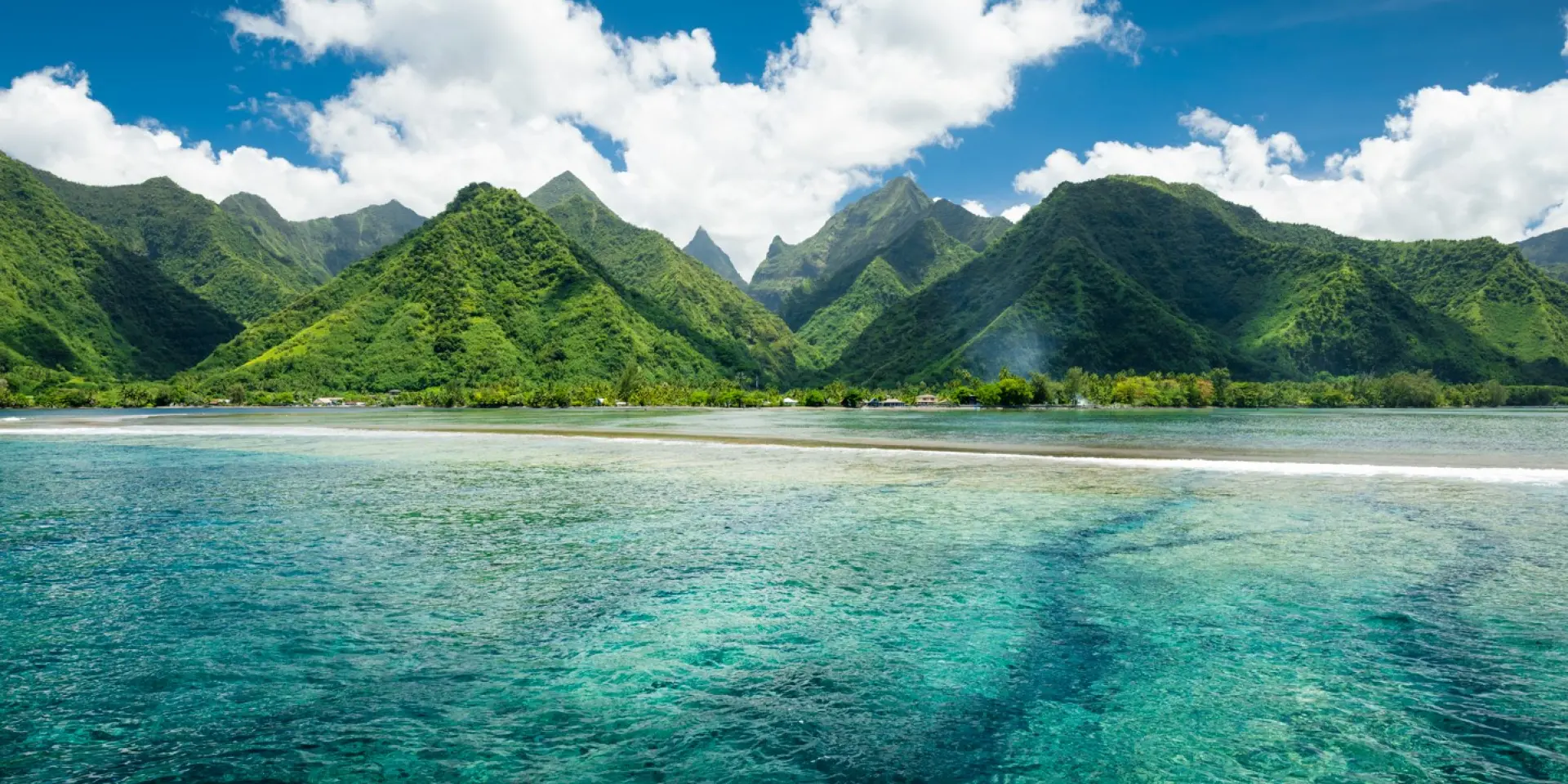
Tahiti - Fenua 'aihere © Grégoire Le Bacon

Tahiti Tourism

joins the World Council for Sustainable Tourism

Making Tahiti & Her Islands the leading destination in the Pacific, in terms of inclusive and sustainable tourism, is one of the objectives of French Polynesia’s tourism development strategy for the next 5 years: Fari’ira’a Manihini 2027 (or FM27), a roadmap co-constructed with the population as well as public and private tourism stakeholders in a collaborative approach initiated by the Polynesian Ministry of Tourism.

Published on 16 November 2022
Tahiti Tourisme makes a commitment

For inclusive & sustainable tourism

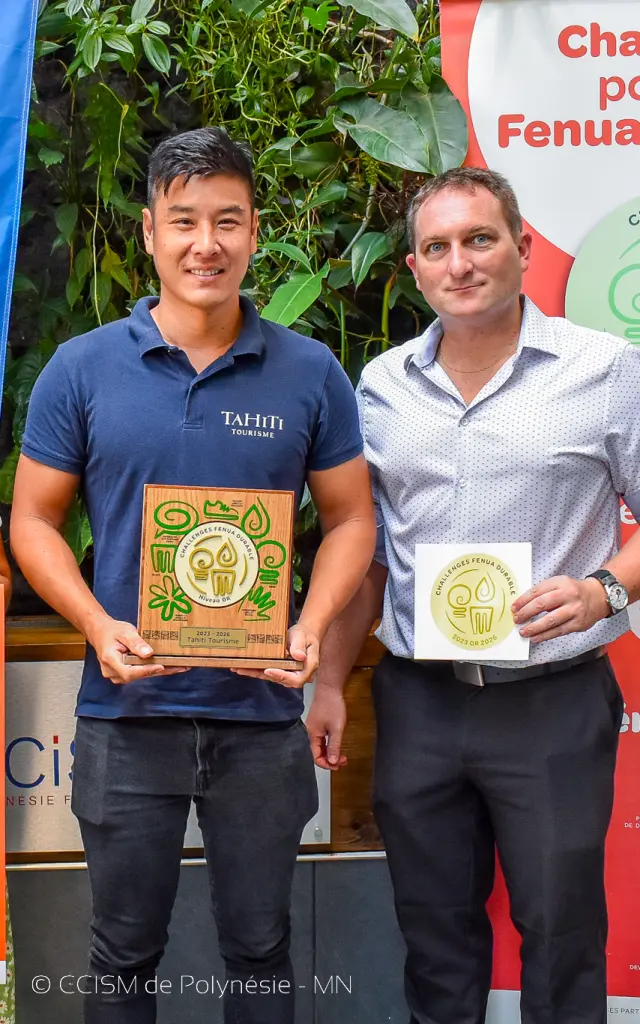
As this roadmap prepares to be officially adopted by the Polynesian authorities, Tahiti Tourismeis joining the GlobalSustainable Tourism Council (GSTC) as a member in support of this strategy.
GSTC

Created in 2007 by United Nations agencies in collaboration with 32 public and private organisations, the GSTC is the organisation that established the global standards for sustainable travel and tourism, known as the GSTC Criteria.

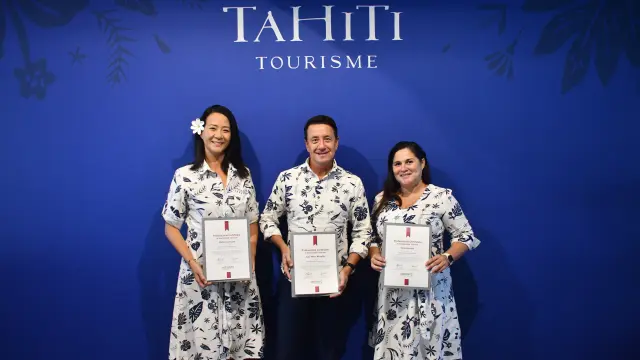
We are delighted to have Tahiti Tourisme as a member, becoming an active contributor to the vital work that the GSTC is doing to achieve global adoption of universal principles of sustainable tourism,” said Randy Durband, GSTC Managing Director. ” Even before becoming a member of the GSTC, Tahiti Tourisme had already shown its commitment by training members of its management team, who have indeed completed the Sustainable Travel Course of theSustainable Tourism Training Program(STTP ),” continues Randy Durband.

An international commitment,
but also regional

How to manage a destination in a sustainable way, and how to make informed decisions on how to implement sustainable development practices across a destination: these are just some of the key issues addressed during the same training course.

Everyone has their own way of defining and approaching the implementation of sustainable tourism. Referring to the GSTC criteria means using a global benchmark that can be applied at the level of a tourism business or destination. Since is committed to the development of inclusive and sustainable tourism, it was important to start by training the management team to master this standard“, explains Jean-Marc Mocellin, Managing Director of Tahiti Tourisme.

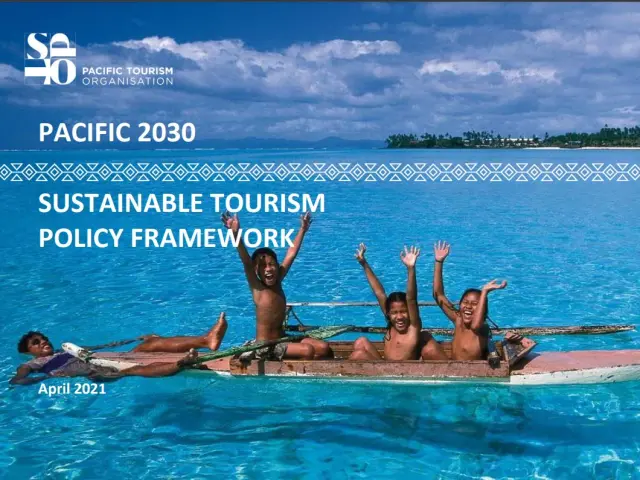
At the same time, on a regional level, Tahiti Tourisme is taking part in the work initiated by the South Pacific Tourism Organisation (SPTO) to draw up the Pacific Sustainable Tourism Policy Framework 2030, a strategy for sustainable tourism in the Pacific.

Work is currently underway to define the criteria for this strategy, based on the GSTC criteria. The ultimate aim is for the 21 SPTO member countries, including Tahiti Et Ses Îles, to be able to draw on this work in order to adapt it to their own needs and thus deploy a strategy based on a common vision for the Pacific region.

At a local level, Tahiti Tourisme is currently working with the Polynesian authorities and ADEME (Agence de l’Environnement et de la Maîtrise de l’Énergie) to carry out a study of the carbon footprint of the Polynesian tourism sector. “Inaddition to providing us with a factual snapshot of the current situation, this audit will enable us to set concrete targets and priorities for action,” concludes Jean-Marc Mocellin, Managing Director of Tahiti Tourisme.

About the World Council for Sustainable Tourism :

The Global Sustainable Tourism Council (GSTC®) establishes and manages global sustainable standards, known as the GSTC criteria. There are two sets of criteria: destination criteria for public policy makers and destination managers, and industry criteria for hotels and tour operators. These are the guiding principles and minimum requirements that any tourism business or destination should aspire to achieve in order to protect and sustain the world’s natural and cultural resources while ensuring that tourism realises its potential as a tool for conservation and poverty alleviation.

The GSTC criteria form the basis of the GSTC’s assurance role for certification bodies that certify hotels/accommodation, tour operators and destinations as having sustainable policies and practices in place. The GSTC does not directly certify products or services but accredits those who do. The GSTC is an independent, neutral, 501(c)3 non-profit organization registered in the United States that represents a diverse and global membership, including national and provincial governments, leading travel companies, hotels, tour operators, NGOs, individuals and communities, all striving to adopt best practices in sustainable tourism.

Media and press information: www.gstcouncil.org/about/for-the-press/

Our actions

for sustainable tourism