©

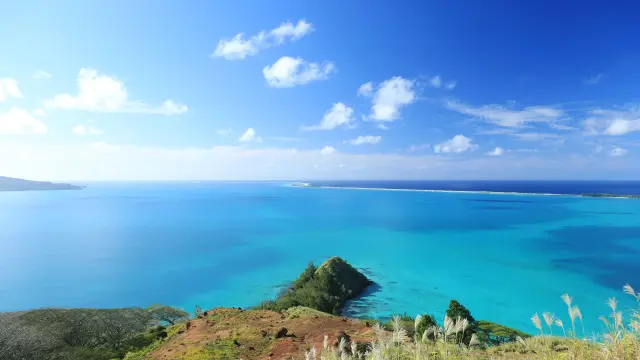
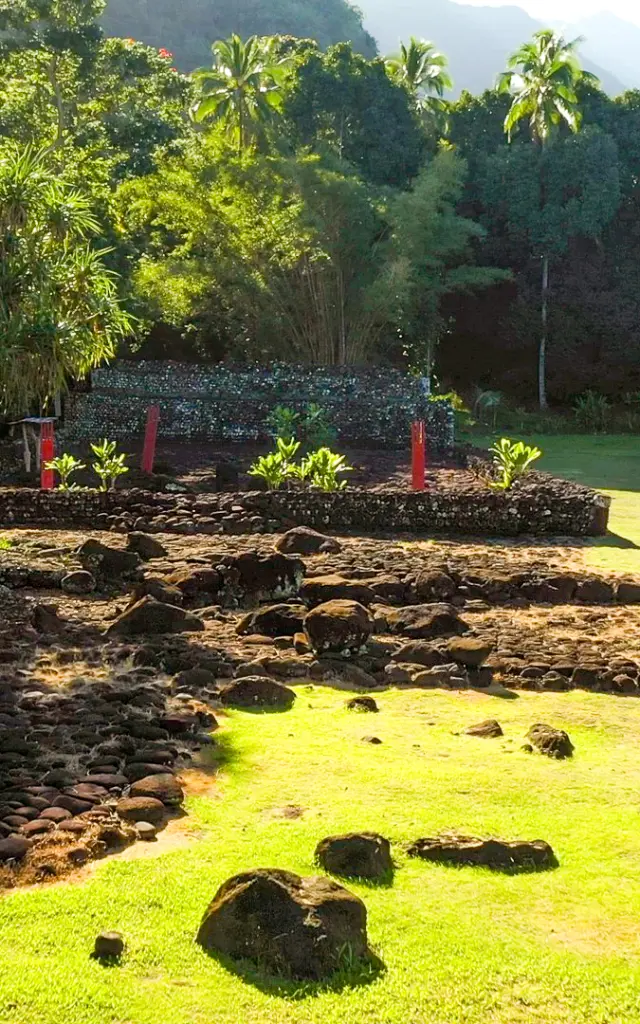
P2 Mangareva 00018 Gregoire Le Bacon 4320x2880 1

The Islands of Tahiti

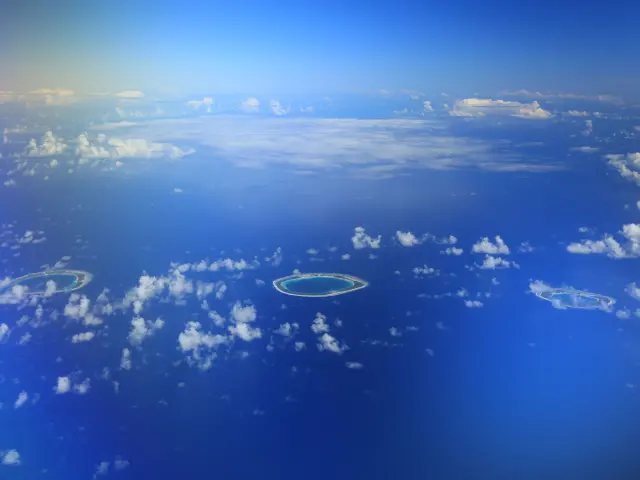
First destination to integrate a Marine Protected Area of nearly 5 million km²

into its overall tourism strategy

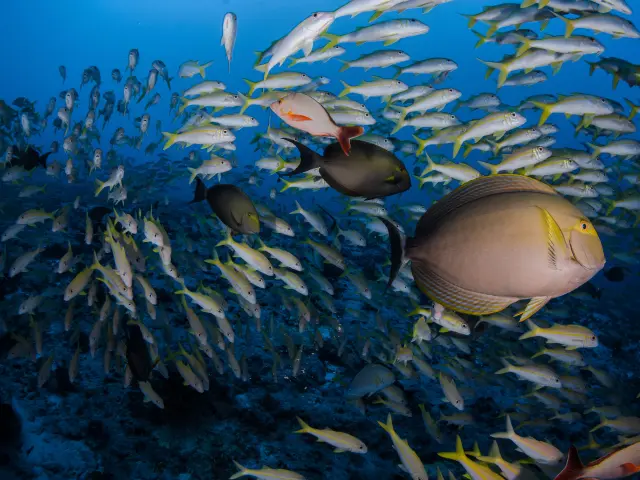
By safeguarding nearly 5 million km² of ocean through Tainui Atea, French Polynesia has reached a significant milestone: positioning marine conservation not as a constraint, but as a strategic cornerstone for tourism development.

A Marine Protected Area at the Heart of the Tourism Strategy

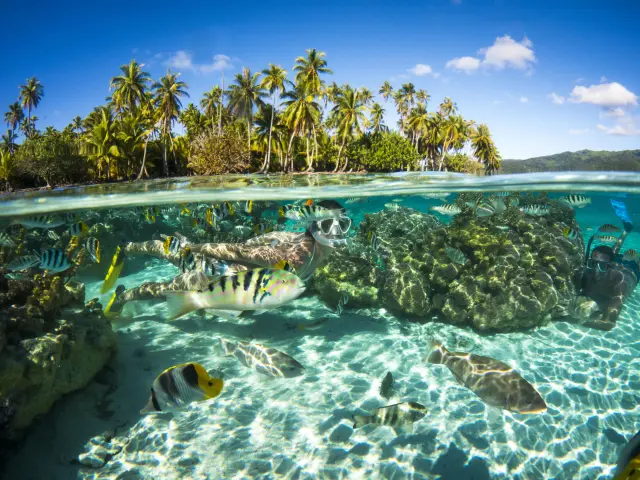
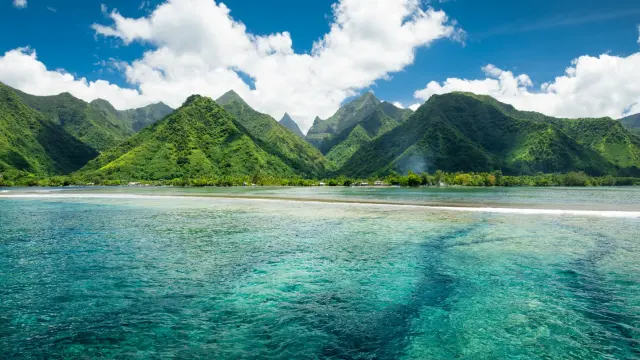
Established in 2018 and reinforced in 2025, this Marine Protected Area encompasses the entire Polynesian Exclusive Economic Zone. It aligns with an international initiative launched during the United Nations Ocean Conference (UNOC) 3 in Nice. These concrete commitments directly enhance the tourism appeal ofThe Islands of Tahiti: preserved lagoons, protected biodiversity, vibrant cultural experiences, and sustainable tourism.

Tainui Atea: an oceanic ambition strengthening the sustainable appeal of The Islands of Tahiti

Strengthened ocean protection now forms a core pillar of The Islands of Tahiti’s development. With the ban on seabed exploitation and drifting Fish Aggregating Devices (FADs), alongside reinforced conservation objectives, French Polynesia is consolidating a model where preservation and tourism attractiveness advance hand in hand.

Specifically, this ambition results in:

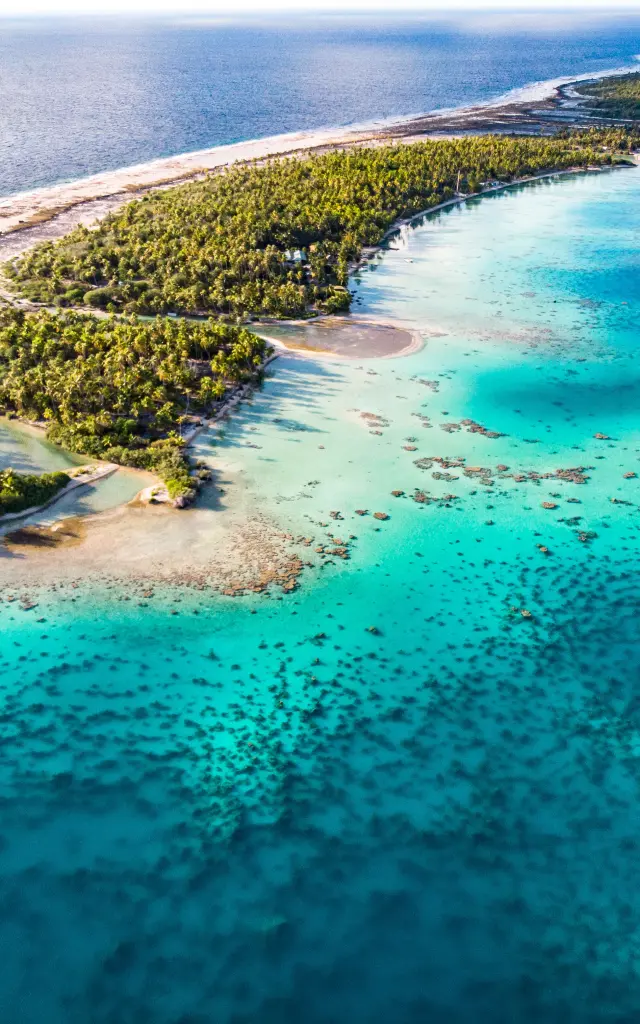
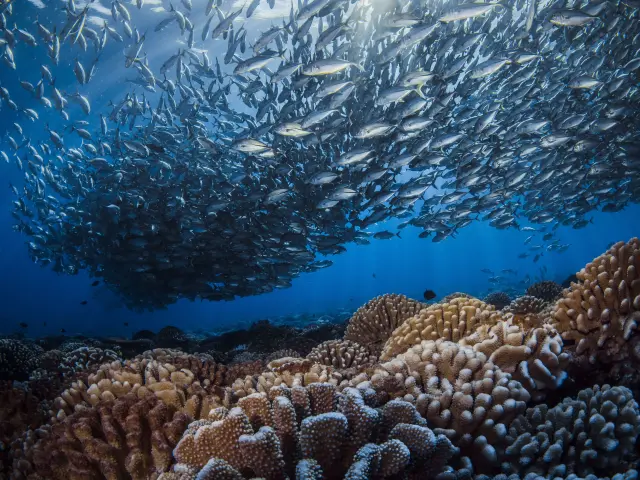
Better-preserved lagoons and reefs

  • More resilient marine ecosystems
  • Stronger biodiversity protection
  • Enhanced quality of observation and exploration for travelers

Beyond regulatory measures, Tainui Atea relies on exemplary governance. Rooted in traditional knowledge, notably the rāhui, it places local communities at the center of a shared, responsible, and adaptive management system. The 2023–2037 management plan enshrines this vision for the long term. Annual monitoring, presented to the Tainui Atea Management Council, ensures a coherent, measurable trajectory adapted to both environmental and economic realities.

©

Photo Id Vaihere Lissant Alikaphoto

« Our ocean is our identity. By protecting this heritage, we enrich travelers’ experiences and secure lasting benefits for our islands. These advances consolidate The Islands of Tahiti’s position as a key player in ocean protection in the Pacific. »

Vaihere Lissant, Chief Executive Officer, Tahiti Tourisme

A network of local Marine Protected Areas in development

Complementing Tainui Atea, which establishes a territorial-scale oceanic framework, a network of local Marine Protected Areas (MPAs) is gradually being deployed across the archipelagos. The goal: adapt protection measures to the ecological, cultural, and economic specificities of each territory.

This network includes, among others:

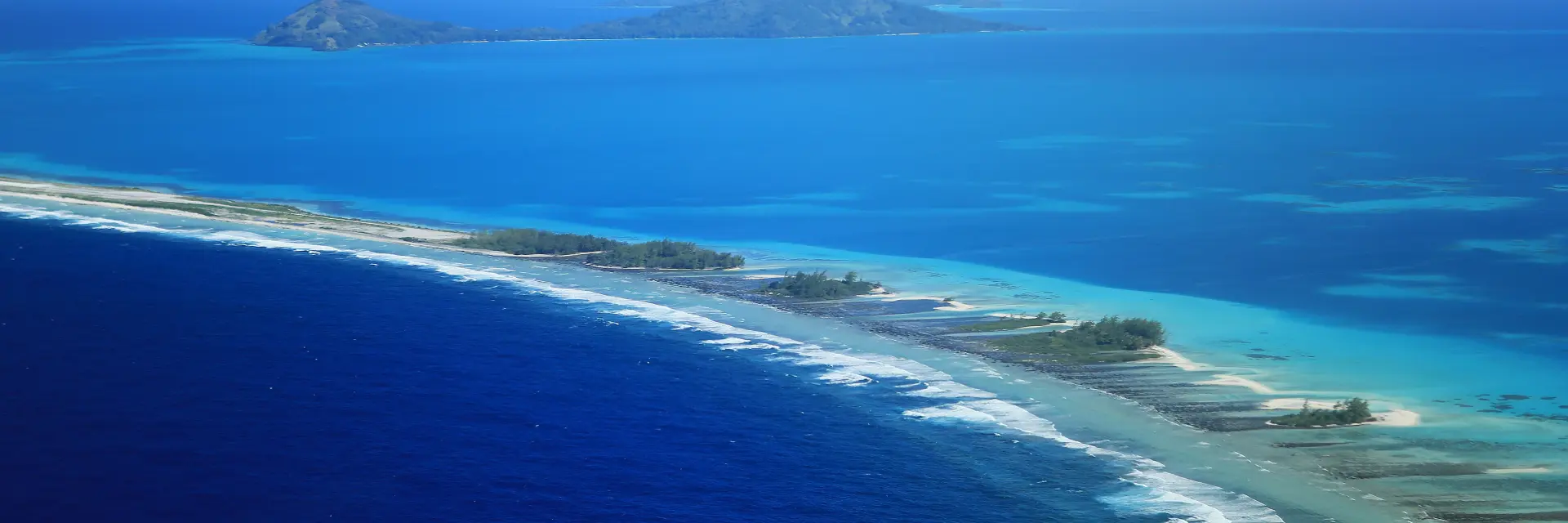
  • MPAs of the Gambier Islands
  • MPAs of the Western Society Islands
  • MPAs of the Austral Islands “Rāhui Nui no Tuha’a Pae”
  • MPAs of the Marquesas Islands “Te Tai Nui A Hau”

Each initiative relies on a participatory approach involving local communities, fishers, associations, traditional authorities, and public institutions. This territorialized approach allows conservation measures to be tailored to the realities of each archipelago in an evolving and coordinated manner. Beyond environmental protection, this network forms the foundation for sustainable tourism rooted in the territories, with the Gambier Islands serving as the pioneering archipelago.

Gambier Islands: a pilot territory for sustainable tourism based on protection and knowledge transmission

In the Gambier Islands, the Marine Protected Area initiative began in September 2025. Three consultation missions brought together institutions, experts, local authorities, and communities to co-create a model adapted to the archipelago’s specificities.

The 2026–2036 management plan, outcome of this consultation process, focuses on:

  • Preserving marine heritage
  • Promoting cultural heritage
  • Developing sustainable economic activities

Small-scale ecotourism, educational visits, and pearl knowledge transmission make protection a lever for thoughtful diversification.

Within this framework:

  • Securing lagoons and reefs improves the quality of exploration and interpretation experiences.
  • Transmission of traditional knowledge, including the rāhui, fosters authentic community encounters.
  • Reasoned diversification of activities alongside pearl farming encourages new sustainable initiatives, generating positive impacts for both residents and visitors.

«Since UNOC 3 in 2025, we have reached a concrete step: protecting biodiversity, safeguarding our heritage, regulating responsible tourism, and ensuring sustainable use of resources for local populations, the world, and future generations. »

Moetai Brotherson, President of French Polynesia and Minister in charge of Tourism

An ambition that transcends borders

The ocean knows no boundaries. Whales, sharks, and turtles protected in the Polynesian marine sanctuary migrate far beyond the Exclusive Economic Zone. Outside these waters, they may face industrial fishing or seabed exploitation. Protecting the ocean therefore requires action beyond national limits. This is the purpose of the BNJ Treaty (Biodiversity Beyond National Jurisdiction), also known as the High Seas Treaty, which entered into force on January 17, 2026, after ratification by over 80 states. This historic international agreement enables the creation of Marine Protected Areas in international waters.

It paves the way for a true ecological corridor, a “Pacific Blue Belt”, ensuring continuous protection for migratory species. Adopted to strengthen governance of maritime areas beyond national jurisdiction, the BBNJ marks a major step in global ocean cooperation.

By its scale, nearly 5 million km², its shared governance, and clear conservation objectives, Tainui Atea provides tangible
support for implementing BBNJ principles in the Pacific. Beyond mere maritime zoning, this Marine Protected Area embodies a vision: the deep connection between Polynesians and their ocean environment. Its model, combining modern legal frameworks and traditional knowledge, positions The Islands of Tahiti as a regional benchmark in integrated ocean governance.
An approach aligned with the 2030 Sustainable Tourism Plan

These advances align fully with the 2030 Sustainable Tourism Plan, where marine ecosystem protection is a central lever for responsible, resilient tourism grounded in the realities of the territories. They strengthen local awareness, support sustainable activities across archipelagos, and reinforce The Islands of Tahiti’s international sustainable positioning.

Key facts to remember

Marine Protected Area
  • 5 million km² protected.

Tainui Atea
  • Tainui Atea recognized as an internationally Marine Protected Area; created in 2018, reinforced in 2025, management plan 2023–2037.

Reinforced conservation
  • Strong measures: ban on seabed exploitation and drifting FADs; reinforced conservation objectives.

Gambier MPAs
  • Gambier MPAs: pilot territory with a 2026–2036 management plan for sustainable and inclusive development.