©

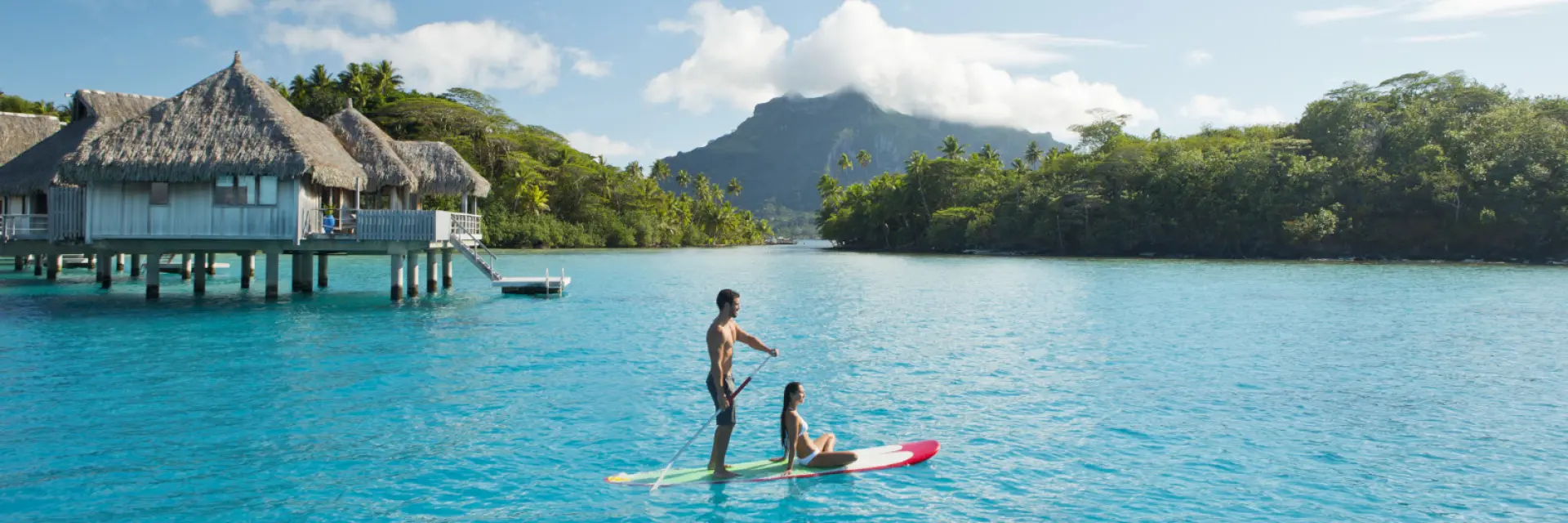
Paddleboarding in Bora Bora

|

Tahiti Tourisme

Quick facts

118 nuggets of the Pacific, 8 hours from Los Angeles. Discover the geography, time zones and air access to this Polynesian paradise.

An archipelago with a thousand facets

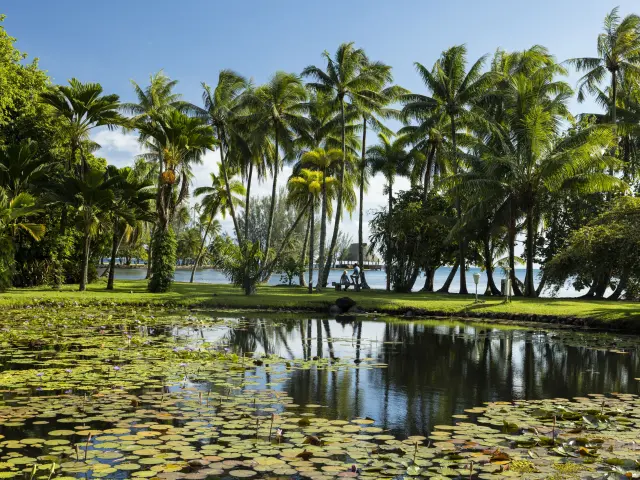
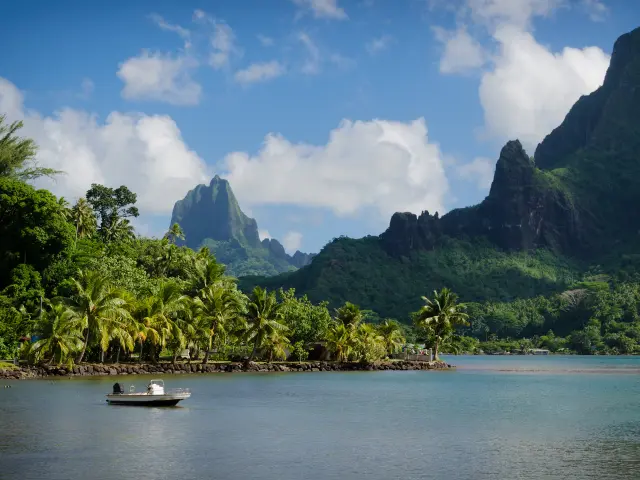
Tahiti is the largest of the 118 islands and atolls that make up French Polynesia. It belongs to the Society archipelago, famous for its volcanic landforms such as Moorea and Bora Bora. But the territory offers much more: from the coral atolls of the Tuamotus to the rugged mountains of the Marquesas, each island reveals a breathtaking landscape.

A privileged geographical location

Located south of the equator, Tahiti and Her Islands lie halfway between California and Australia. Sharing the same time zone as Hawaii, this unspoilt Eden is a masterly gateway to the South Pacific. Its isolated position guarantees total disconnection while remaining connected to the major metropolises of the Pacific basin.

Easier air connectivity

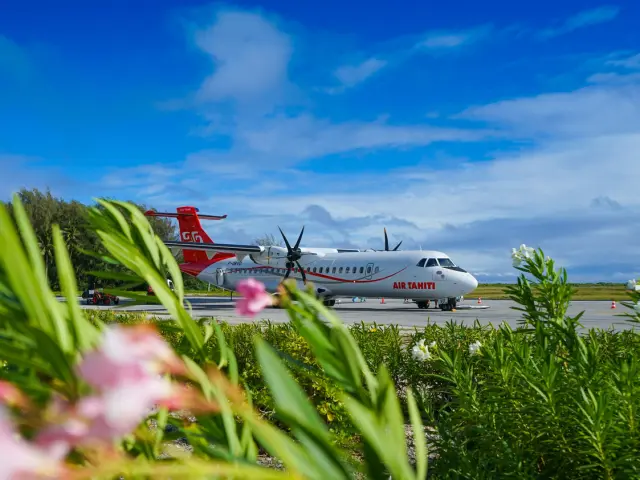
Tahiti-Faa’a International Airport (PPT) welcomes daily flights from the American continent. Just eight hours from Los Angeles, the destination is served by major airlines such as Air Tahiti Nui and Air France. There are also direct connections to Hawaii, making it easy to combine flights throughout the Pacific.
Frequently asked questions
  • How far is France from Tahiti?

    The journey takes around 22 hours from Paris, usually including a technical stopover in the United States (Los Angeles or San Francisco) or Canada. Despite the distance, the journey is made easier by the high-quality on-board services offered by scheduled airlines.

  • Do I need a visa to travel to Tahiti and Her Islands?

    As French Polynesia is a French overseas collectivity, EU citizens do not need a visa (a valid passport is sufficient). For other nationalities, the rules are often identical to those in the Schengen area, but ESTA authorisation may be required depending on your destination.

  • What currency is used locally?

    The official currency is the Pacific Franc (XPF). It is pegged to the Euro (€1 = 119.33 XPF). Bank cards are accepted on the main islands and in hotels, but cash is strongly recommended for the more isolated archipelagos such as the Tuamotus.

  • What's the best time of year to visit Polynesia?

    The climate is tropical, with two main seasons. The dry season (April to October) is the most popular, offering pleasant temperatures and less humidity. The rainy season (November to March) remains warm, with often short tropical showers, lush vegetation and sometimes milder prices.

  • Do the Marquesas Islands really have a different time?

    Yes, this is a local specificity. When you travel from Tahiti to the Marquesas, you have to set your watch forward 30 minutes. This time difference is both historical and geographical, as the Marquesas are situated much further east than the Society Islands or the Tuamotus.

Understanding local time zones

Tahiti Et Ses Îles is two hours ahead of Pacific Standard Time (UTC-10). There is one important difference: the Marquesas archipelago has its own time zone, thirty minutes ahead of the rest of the country. This nuance is essential for planning your transfers and appointments between the different archipelagos.

The diversity of Polynesian landscapes

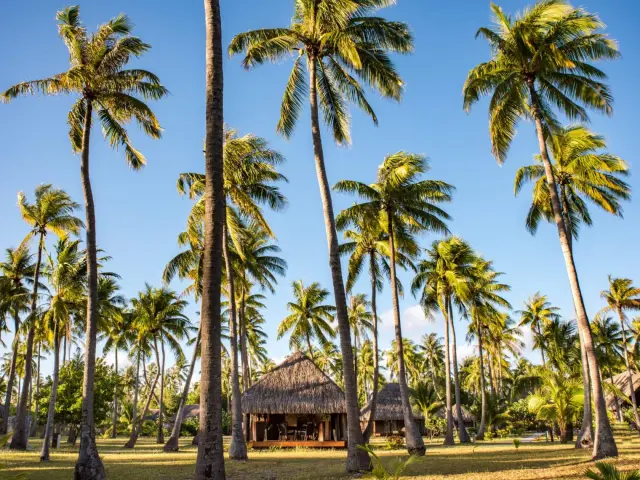
Visitors travel between two worlds: the “high islands” with their verdant peaks and the “low islands” or atolls. On Rangiroa and Fakarava, the coral reef forms a protective crown around an inner lagoon, while on Nuku Hiva, the cliffs plunge straight into the ocean. This geological variety, unique in the world, is one of the country’s greatest assets.

A valuable resource for travellers

To help you prepare for your trip, a wide range of themed fact sheets and brochures are available. Whether you’re looking for details on maps, cultural resources or entry formalities, Tahiti Tourisme is there to help professionals and travellers alike. Dive into our resources to make your project a reality.