©

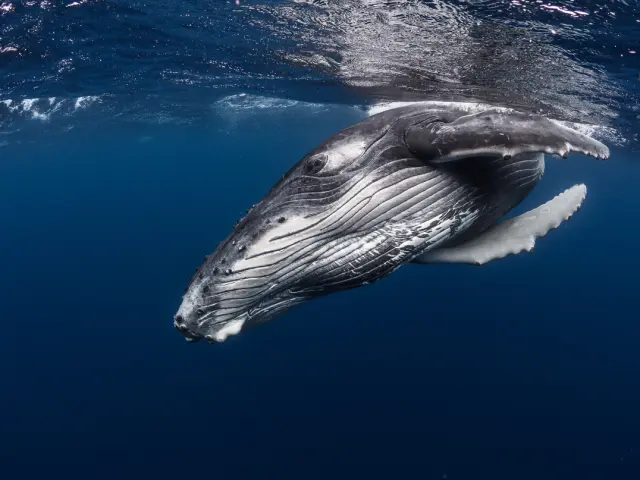
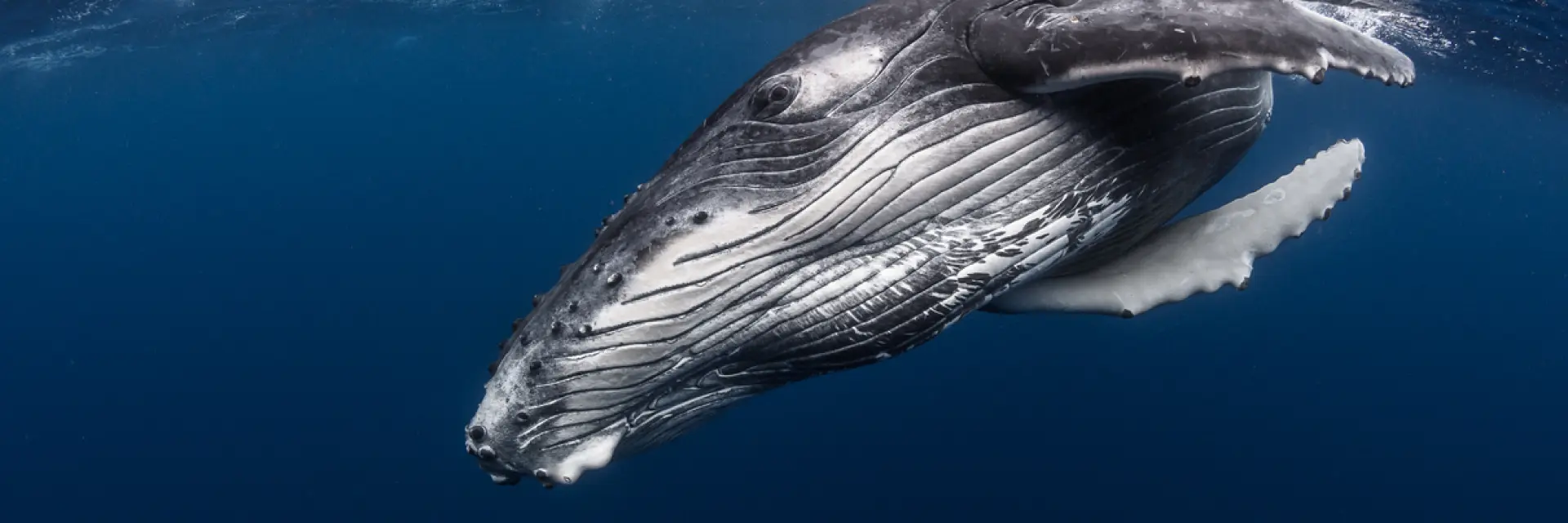
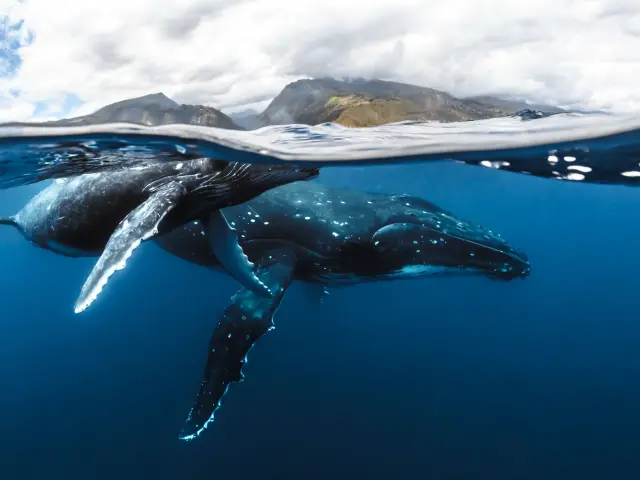
Humpback whales in Tahiti and Her Islands

|

© Grégory Lecoeur

Whale watching

in Tahiti and Her Islands

Regulations and protection of marine biodiversity

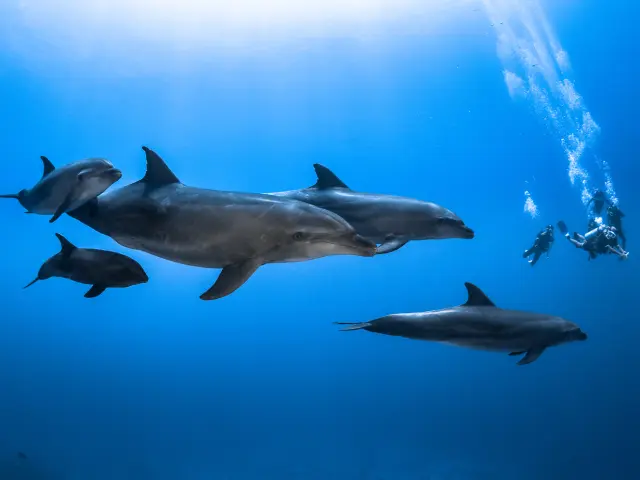
Dolphins, humpback whales… In Tahiti & Her Islands, marine mammals are protected species. Their observation is therefore scrupulously supervised and regulated. So if you want to offer a professional activity such as whale watching or dolphin diving, here are some useful links to help you operate legally.

Observing the rules

Marine mammals

Once you have been granted authorisation to approach marine mammals, make sure you comply with the rules governing your activity. These include

  • Respect the approach distances (100 metres between the boat and the animal for approved service providers, 300 metres for pleasure boaters)
  • Reduce the speed of your boat (3 knots within a radius of 300 metres)
  • Follow a course parallel to the animals
  • Do not encircle the animals

Other rules apply and must be observed at all times, on pain of a fine.
Whale watching?

Taking part in a whale watching trip? Make sure the service provider is approved by the French Polynesia Department of the Environment before booking an excursion and that the season is officially open.

A PĀRURU TŌ MAU PARĀOA

Preserving our whales
Preservation

Tahiti and the whales

To mark the official opening of the humpback whale-watching season from 20 July to 20 November 2025, Tahiti Tourisme is launching a campaign entitled ‘A pāruru tō mau parāoa, to raise awareness among the general public and visitors about preserving these creatures.

Through short videos, several professionals testify to the importance of humpback whales in the lives of Polynesians. Various topics are covered, including regulations and the right thing to do, the work carried out by the Oceania association, whale behaviour and their place in our culture.

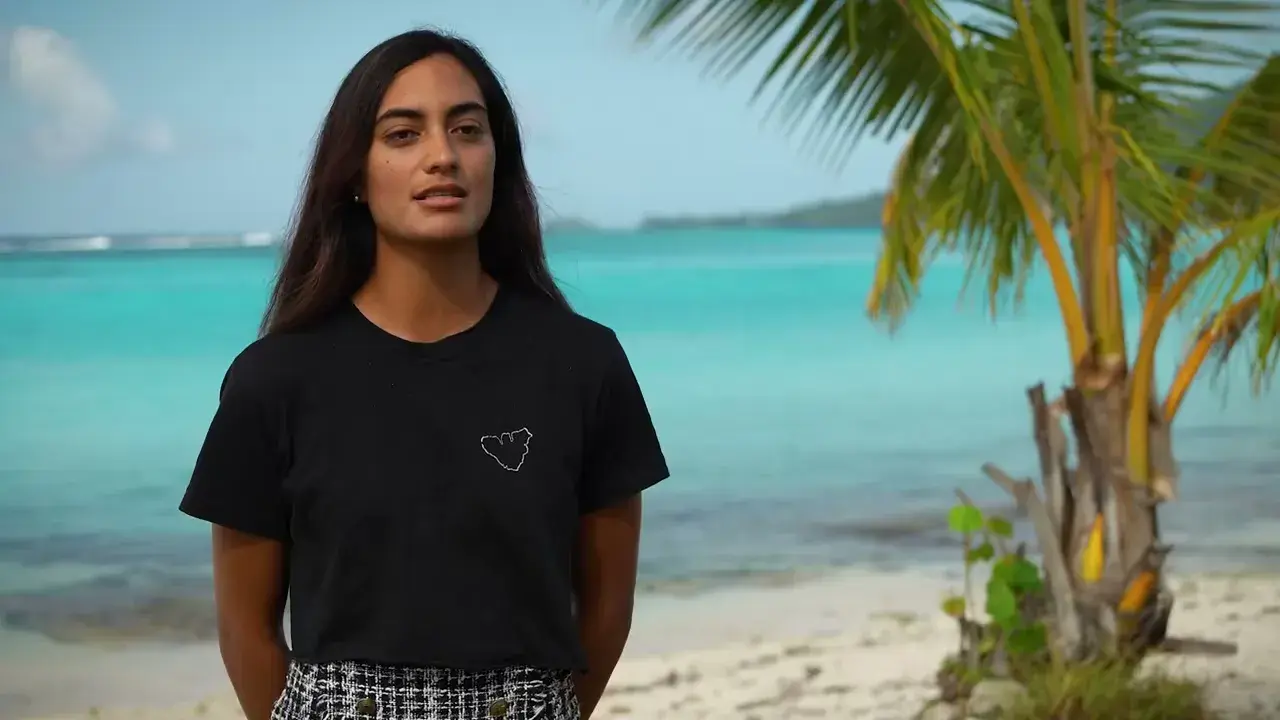
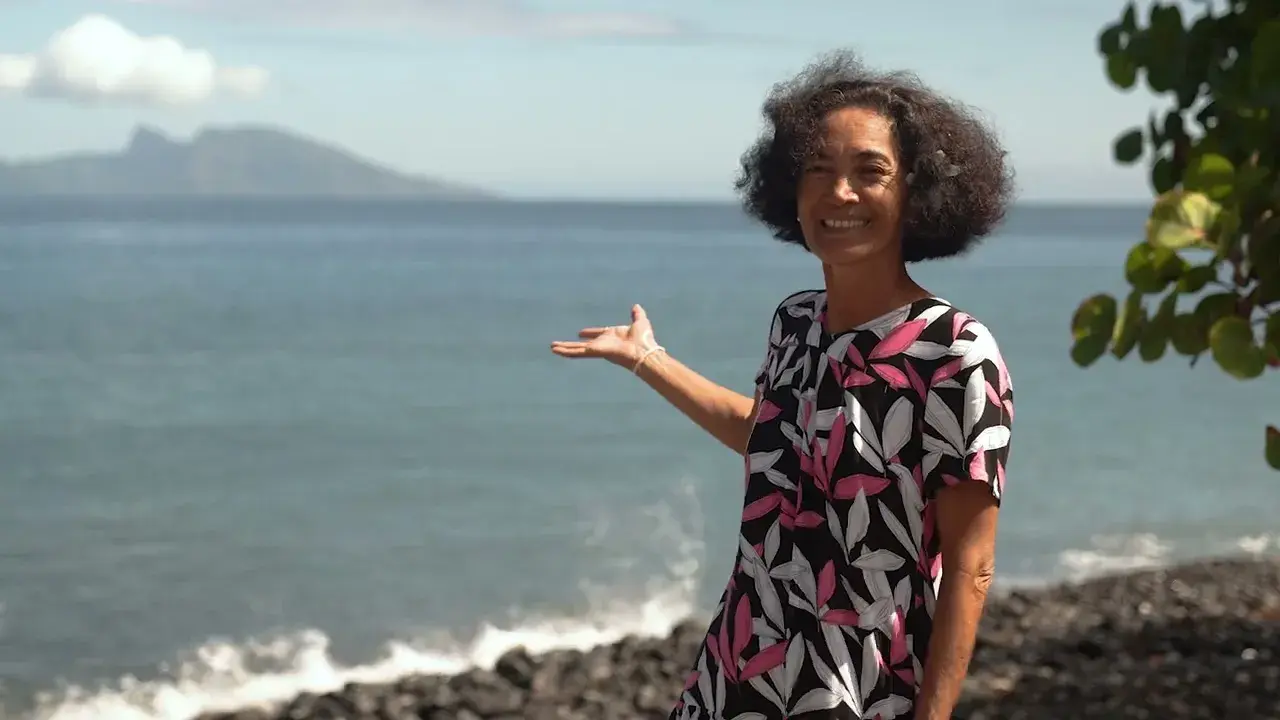
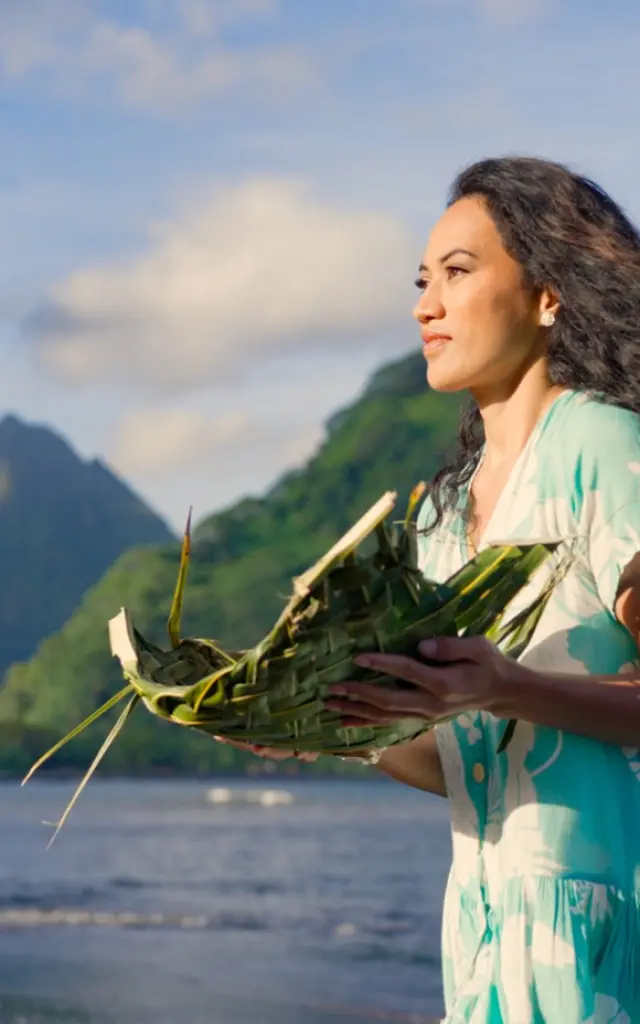
Herehia Sanford is a lagoon guide. During the whale watching season atTahiti Et Ses Îles, she accompanies visitors to meet these giants of the sea, while ensuring strict compliance with the regulations in force. This year, the law governing cetacean watching has changed. Aware of the importance of preserving humpback whales, Herehia is taking care to provide information on the new rules to be followed. Our aim is to guarantee an unforgettable and responsible experience that respects these cetaceans.

'A pāruru tō mau parāoa - Règles d'observation

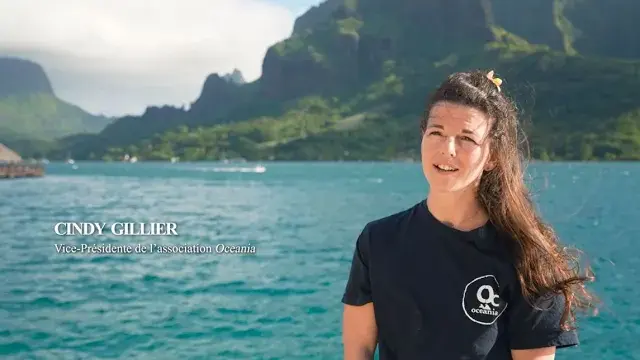
Since 2017, the Oceania association has been working to study and protect humpback whales in French Polynesia. Cindy Gillier, vice-president of the Oceania association, presents all their actions to preserve these cetaceans and invites everyone to take action at their own level.

'A pāruru tō mau parāoa - Association Oceania

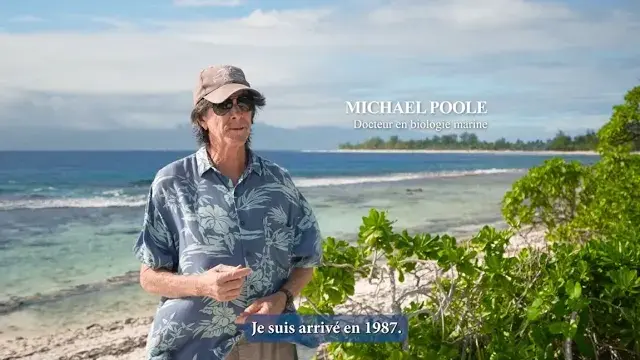
Where do our humpback whales come from? Are they still under threat? Michael Poole, a doctor in marine biology, has been studying cetaceans in Fenua since 1987. He was also behind the creation of the marine mammal sanctuary in 2002. In this video, Michael tells the story of the arrival of humpback whales in our waters, how their population is evolving, and why it’s important to respect the arrival of these majestic creatures every year.

'A pāruru tō mau parāoa - Faits & comportements de la baleine à bosse

For ancient Polynesians, the arrival of humpback whales in French Polynesia has always had significance. Edmée HOPUU works for the Department of Culture and Heritage in French Polynesia. For her, it is our duty to continue to tell the legends surrounding this animal, with its strong symbolism, in order to raise awareness among younger generations of the need to protect humpback whales.

'A pāruru tō mau parāoa - Culture et légendes

Submit an approach request

Marine mammals

Any approach to marine mammals for professional purposes must be requested from the Environment Department. This procedure is carried out directly on theParaoa platform.
Be sure to check the dates for submitting your application.

You can also findthe list of authorised activity providersfor humpback whale watching.

Shooting

Protected marine species

If you wish to photograph or film protected marine species and use these images for commercial or marketing purposes, you must first submit a filming request to the Environment Department.