©

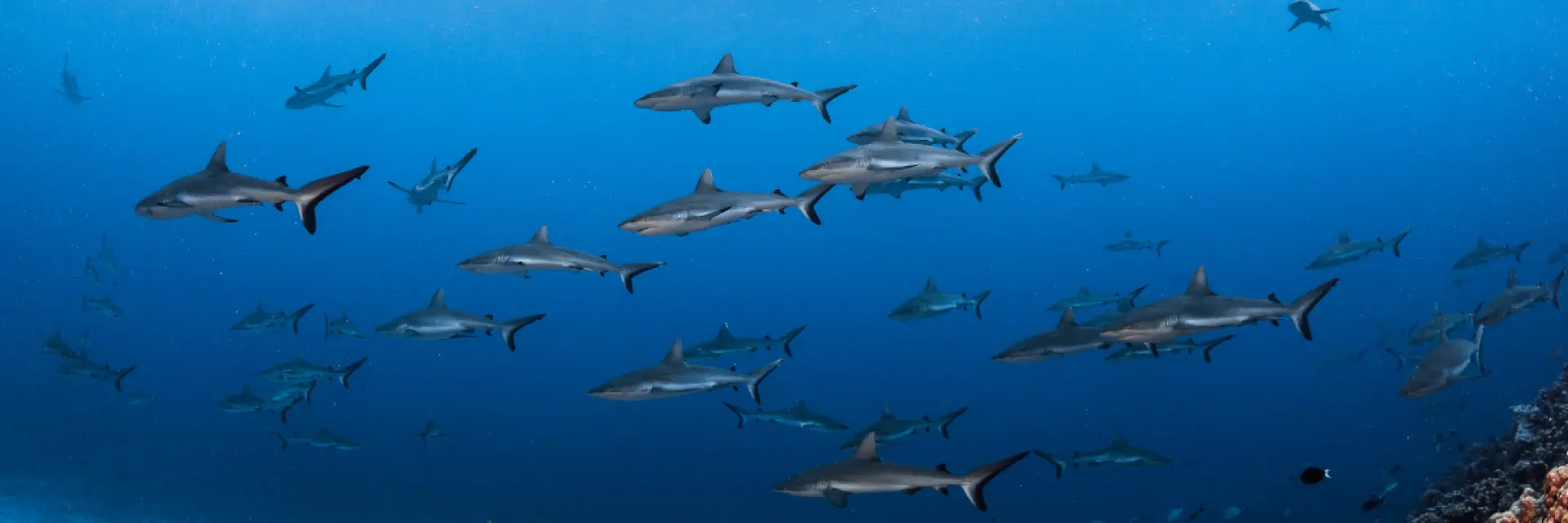
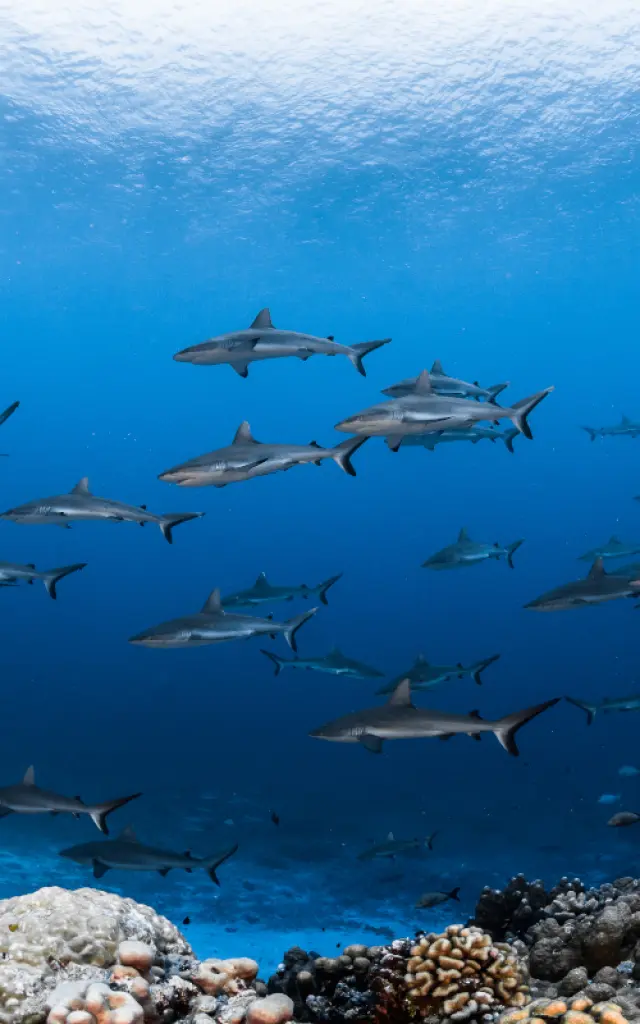
Shark Wall Fakarava Tahiti Tourisme © Grégory Lecoeur

|

Grégory Lecoeur

Diving

Tahiti and Her Islands

Tahiti And Her Islands: The Marine Sanctuary

Discover a paradise where sharks and whales are king. Between myths and crystal-clear waters, the history of a people is written beneath the sea. Paradise awaits you.

Explore the seabed

Tahiti and Her Islands

Engraved on the skin of Polynesians, the silhouettes of rays, sharks and whales bear witness to a people linked to the sacred. In Tahiti, these creatures are not mere animals, but maritime divinities that divers from all over the world come to honour in a veritable paradise on earth.

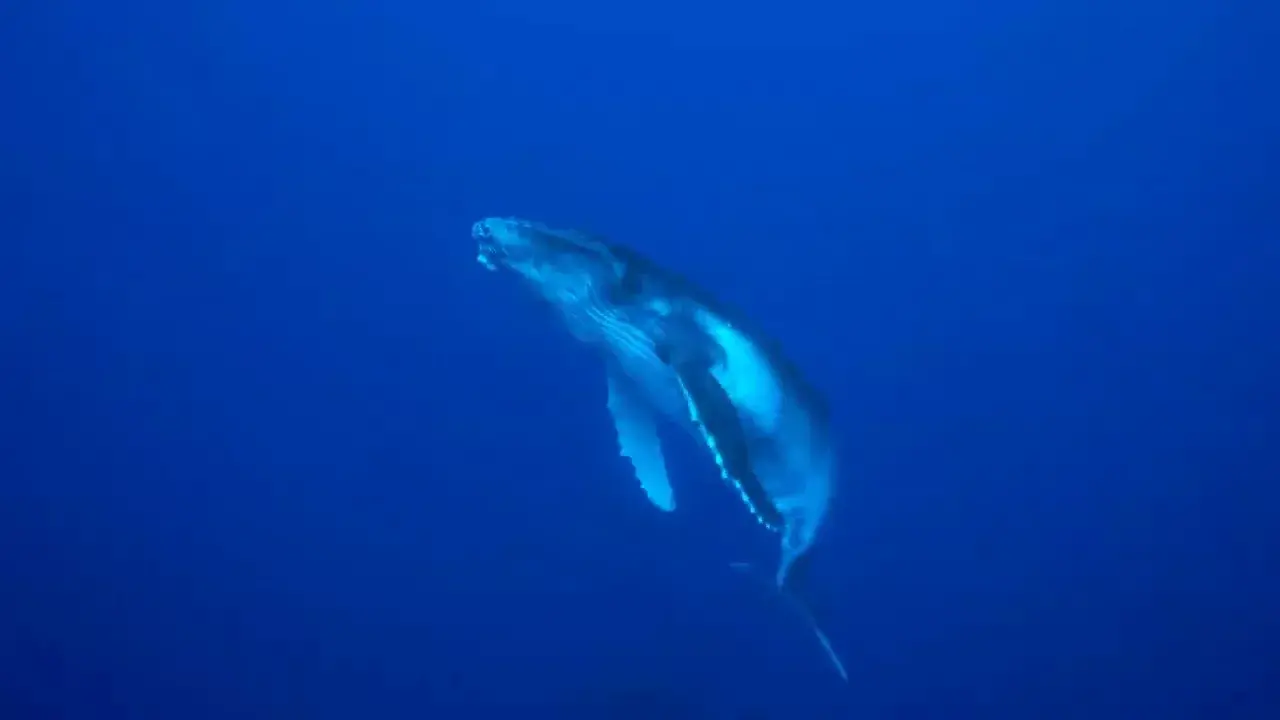
Life abounds in these warm waters, from tiny clownfish to majestic sharks and the spectacular passage of humpback whales from August to October. This aquatic sanctuary opens its doors to you for a timeless experience. Paradise awaits you.

Promotional videos

Our dives
Explore underwater treasures
Tahiti And Her Islands
Swim with the turtles
TAHITI
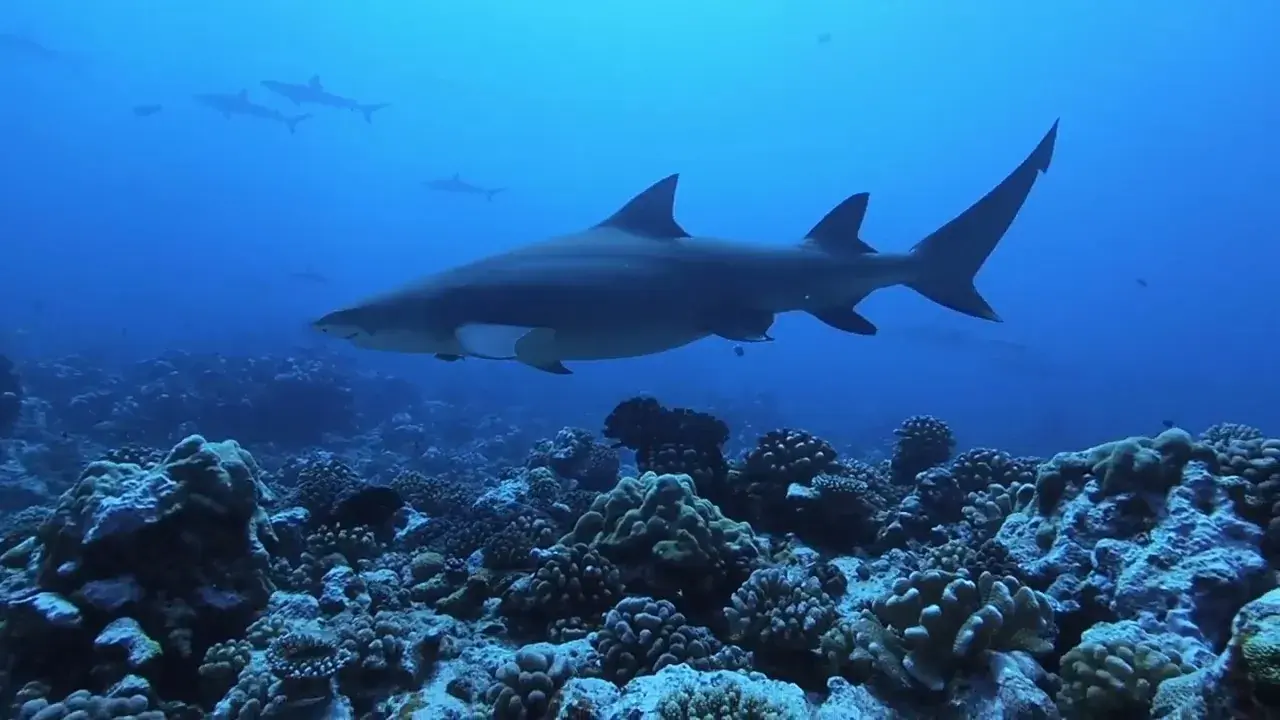
Get up close and personal with lemon sharks
MOOREA
Drift with the sharks
FAKARAVA
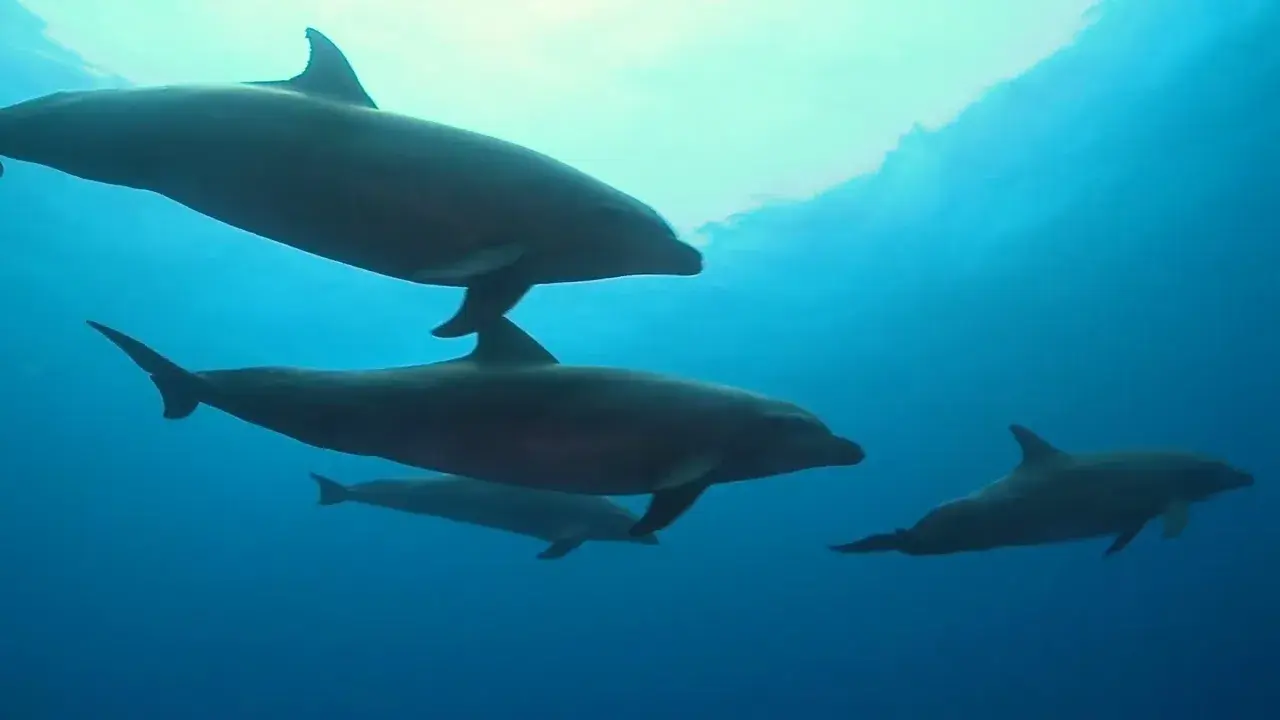
Dance with the dolphins
RANGIROA
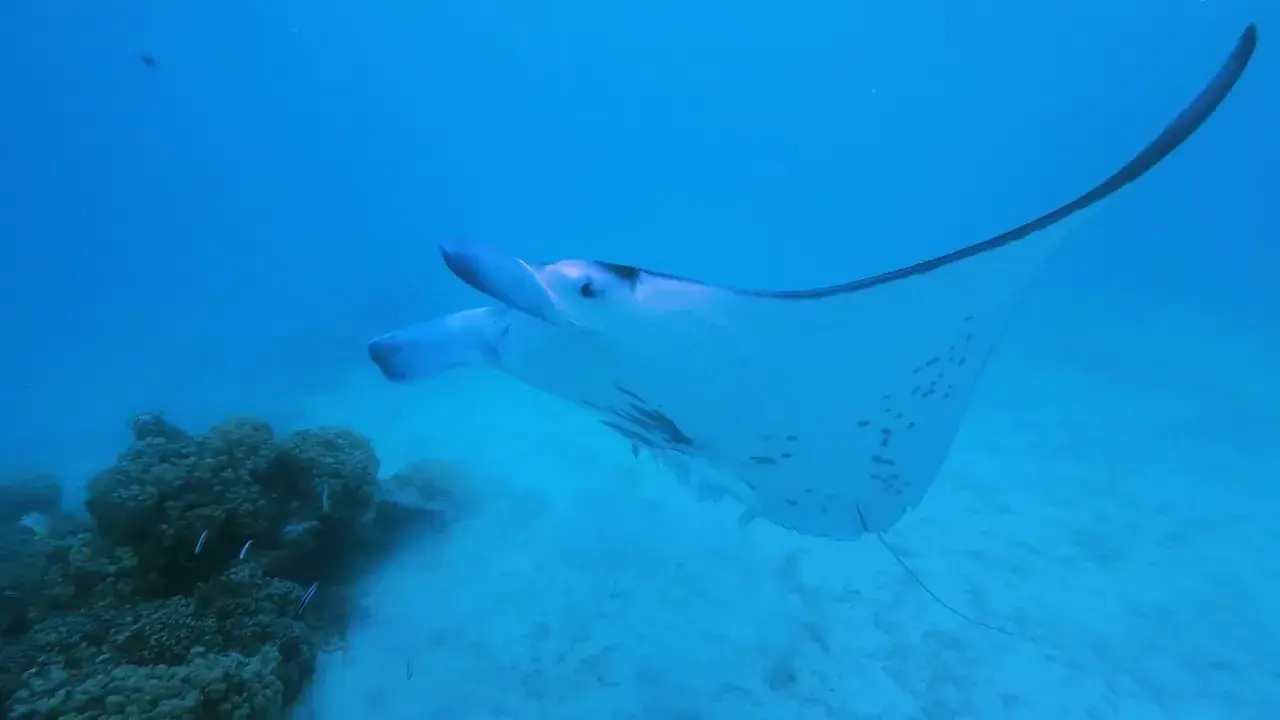
Fly with the mantas
MAUPITI
Welcome the whales
RURUTU
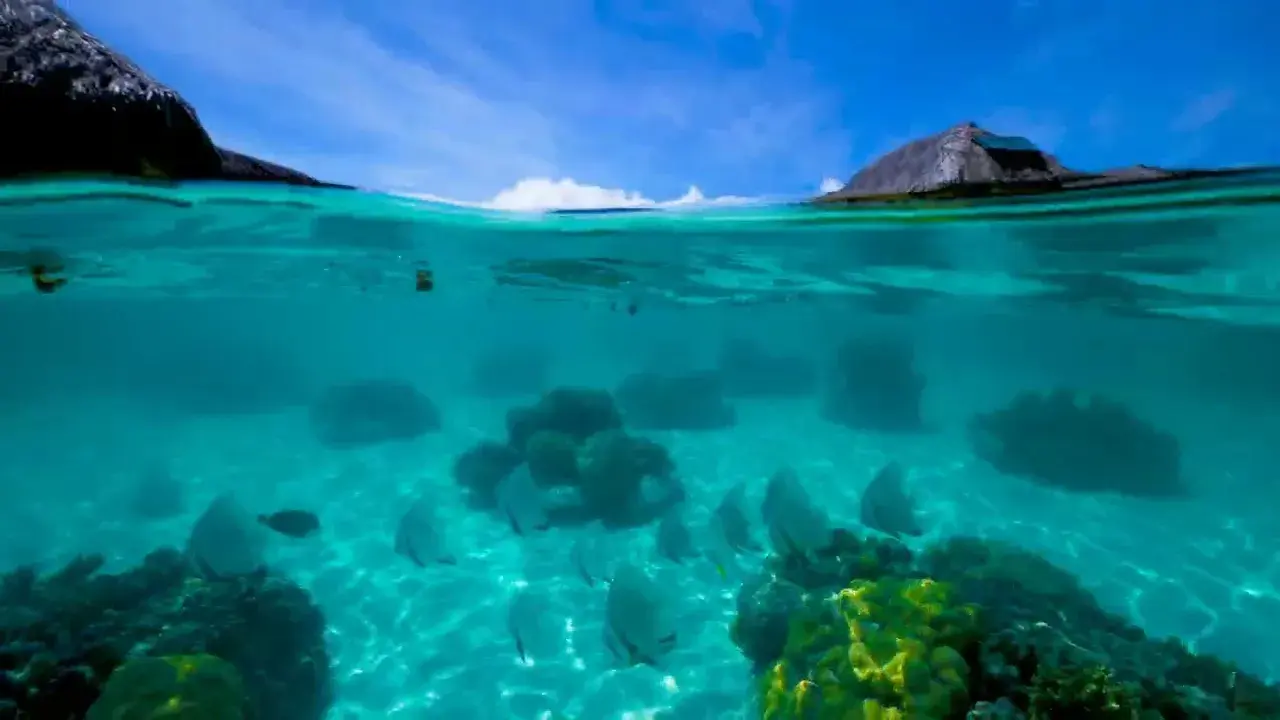
Explore the lagoon
BORA BORA
Discover a different kind of nature
HUAHINE
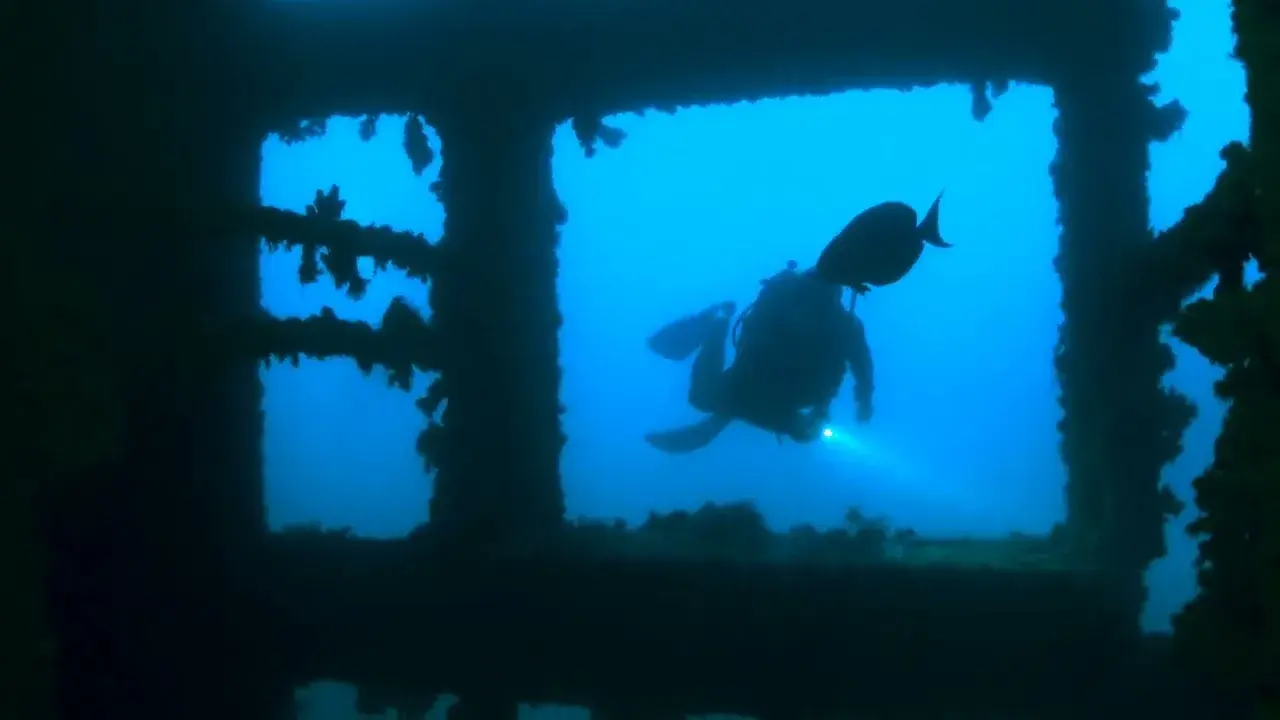
Probe the wreck of the Nordby
RAIATEA
Experience an exceptional story
HIVA OA
Swim among schools of fish
TIKEHAU
Explore

Underwater treasures

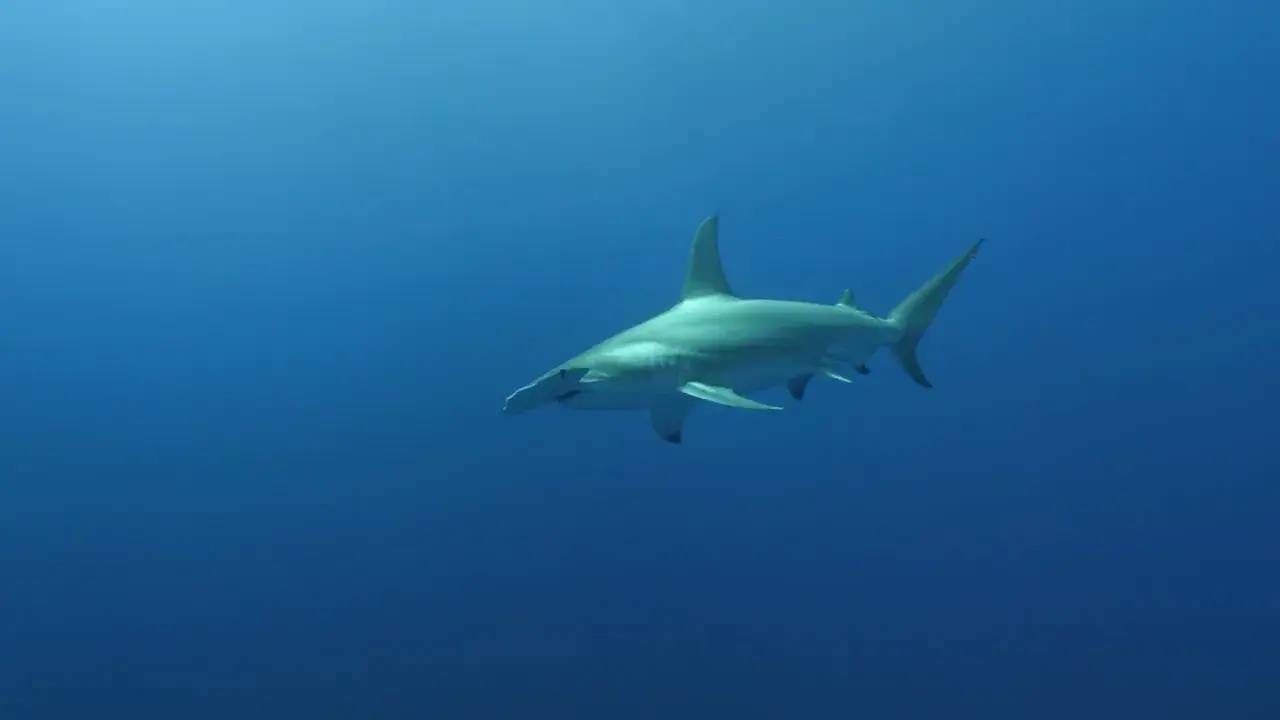
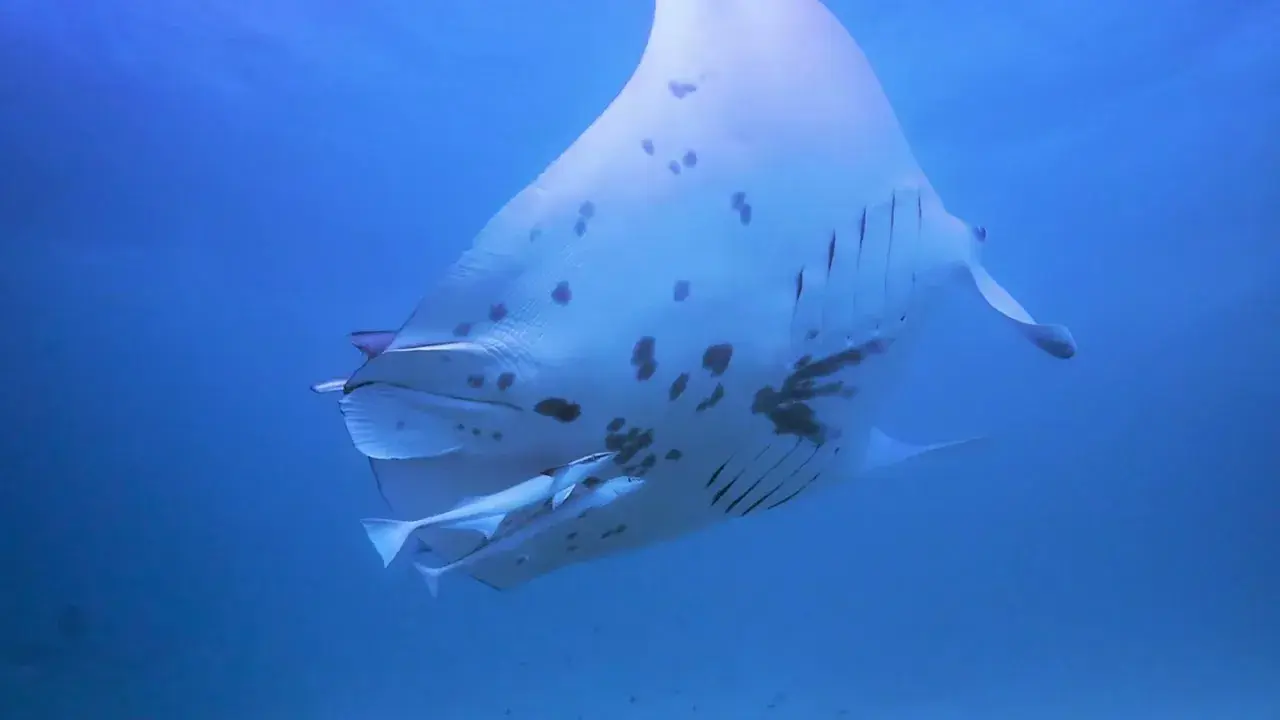
The first thing that comes to mind when you think of diving atTahiti Et Ses Îles is thepresence of ‘big’: sharks, rays and cetaceans. In July 2020, the journal Nature published a study of reef shark populations around the world, placing Polynesia at the top of the podium. There areno fewer than twenty species of shark in Polynesia. Then there are the rays, in particularthe manta rays, which can be seen in all the archipelagos ofTahiti Et Ses Îles.

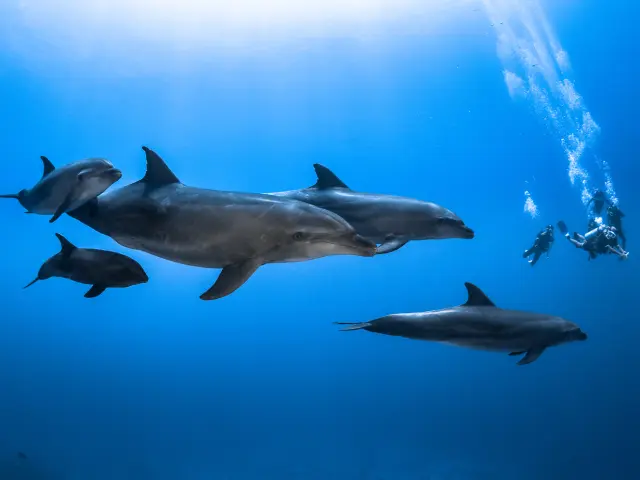
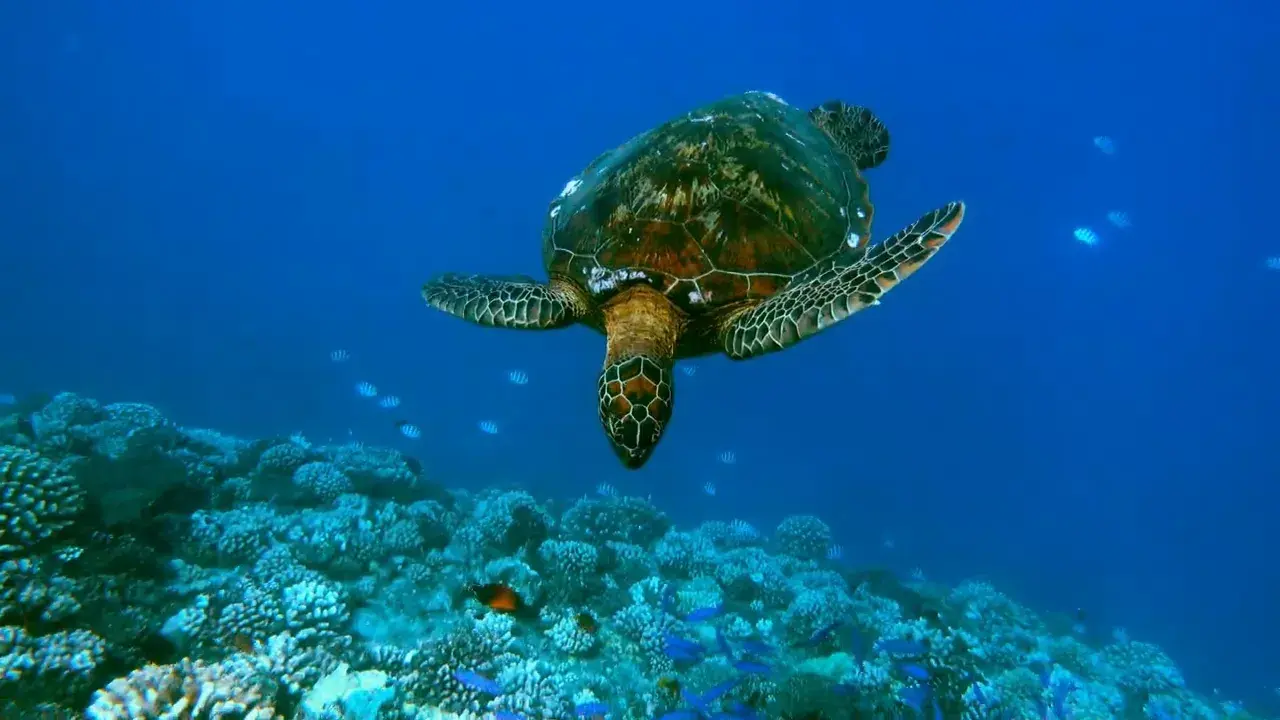
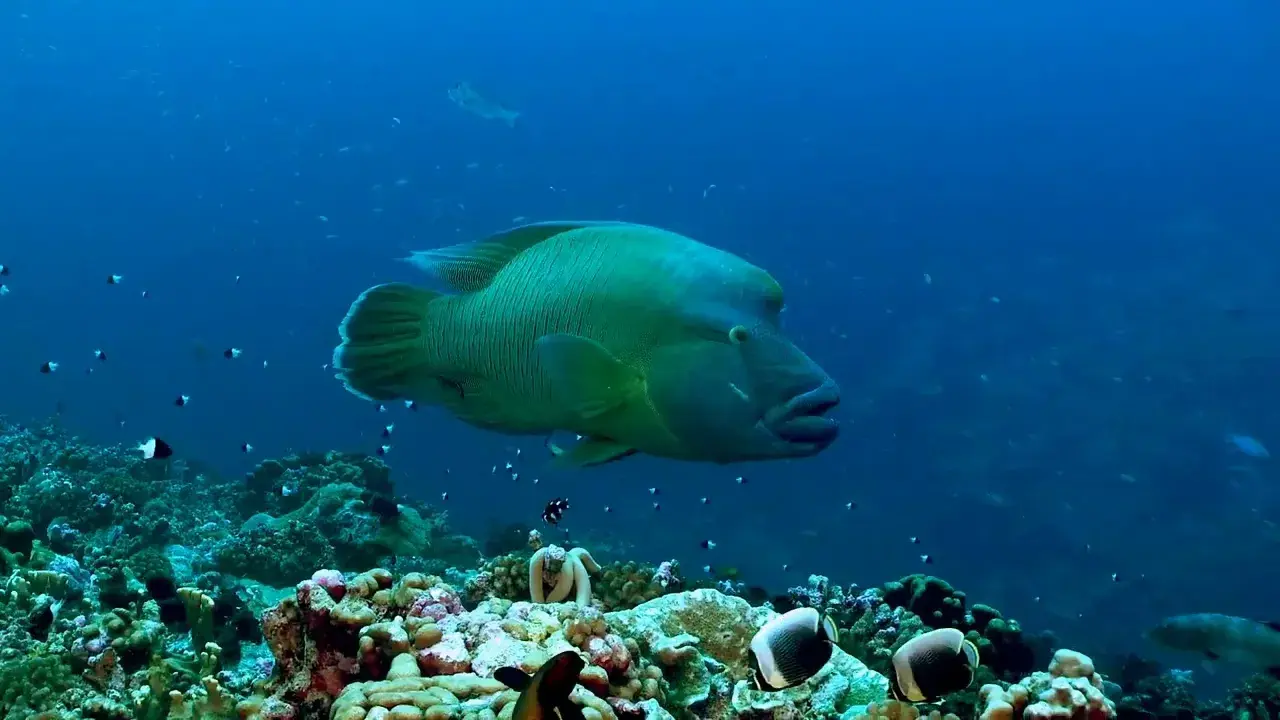
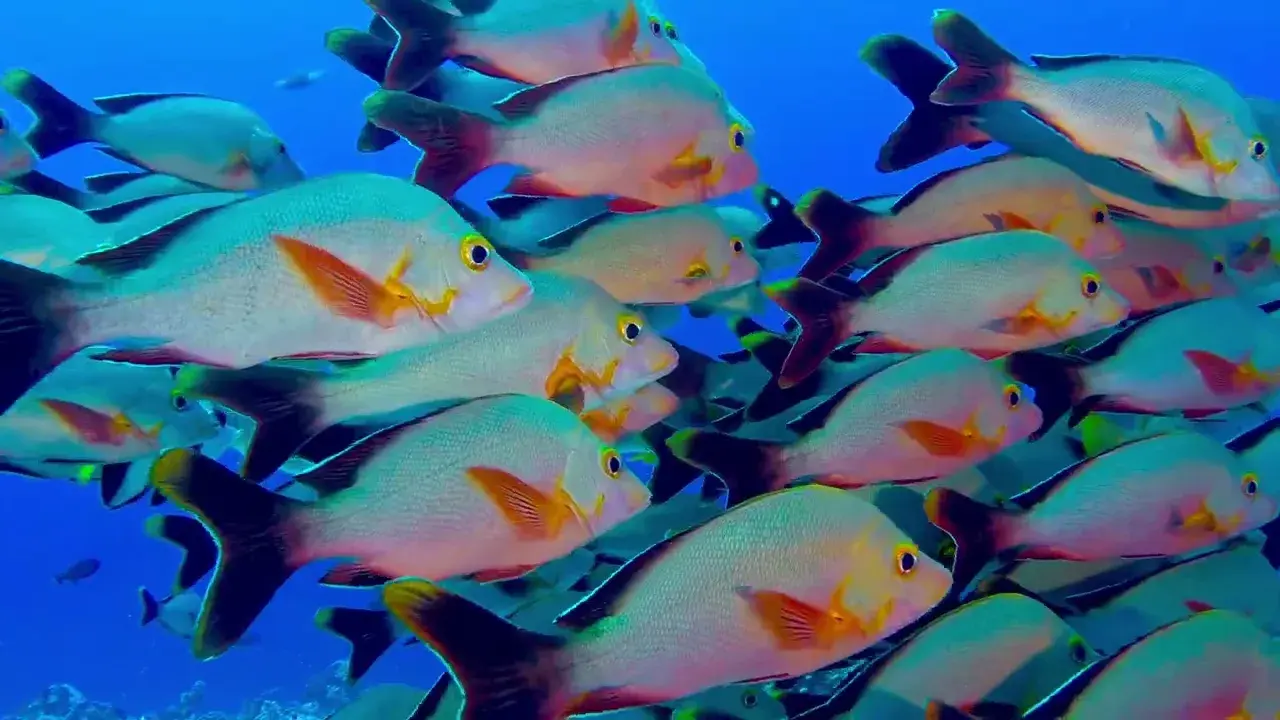
In 2002, French Polynesia adopted a decree declaring its territorial watersa “sanctuary for whales and marine mammals”. This forward-thinking decision has borne fruit, with dozens ofhumpback whalesmigrating to Polynesian waters every year from July to November to give birth. And let’s not forget the dolphins, as in Rangiroa, where a colony of bottlenose dolphinsTursiop, familiar with divers, come to meet them every day. But it would be reductive to limit this description to the presence of these giants of the seas, because the other characteristic of Polynesian waters is thediversity and profusion of lifethat they harbour, both offshore (tuna, barracuda, kingfish…) and on the reefs (turtles, parrotfish, groupers, angel fish, butterfly fish, perch, and so many others).

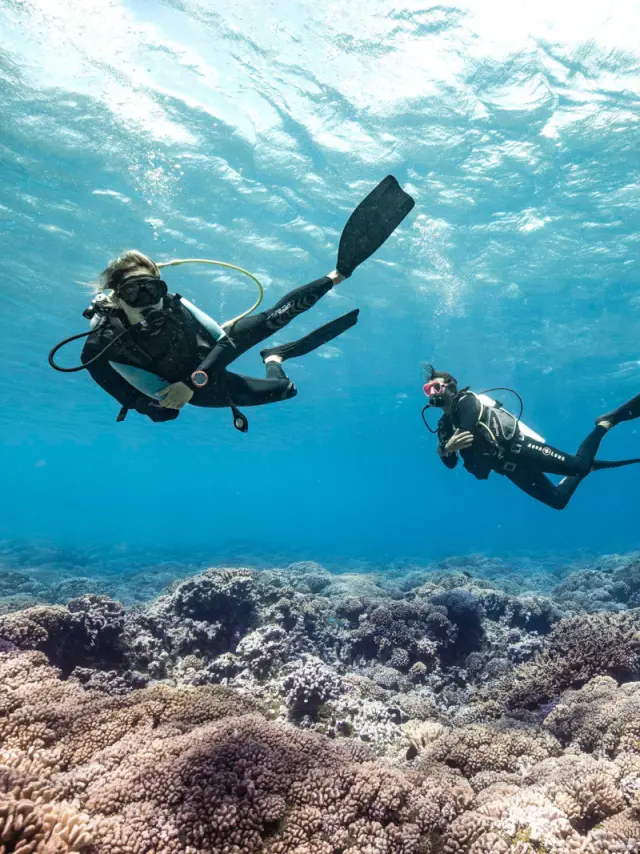
Thanks to the fifty or sodiving centres, on a human scalethat Polynesia has to offer, you can explore the underwater treasures ofTahiti Et Ses Îles,this territory as big as Europewhere each island reveals its own unique identity underwater.

Whether you’re a beginner or an experienced diver, the diving on offer atTahiti Et Ses Îlesis sure to satisfy.
Frequently asked questions
  • Do I have to travel with my equipment?

    Most diving centres provide equipment as part of their service. But if you prefer to dive with your own equipment, the domestic airline Air Tahiti will give you an extra 5kg allowance on presentation of your diving card.

  • Can I try scuba diving in Polynesia?

    All diving centres offer a ‘baptism’ option, which allows you to discover a suitable site, with a dedicated instructor to guide you through your first bubbles. This introductory dive can even count as the first dive in your training if you decide to go further!

  • At what age can you start diving?

    Although the law does not set a minimum age, the usual age is 8. However, it’s important to take into account the child’s maturity and desire: this is what will determine the success of the christening!

  • Can I take my diving exams in Polynesia?

    Practically all clubs offer training courses from beginner to monitor. It is therefore possible, and recommended, to take advantage of your stay to take diving certificates. But be warned: you might just get a taste for it!

  • Can I spread my training over several islands?

    Polynesia is “a village as big as Europe”: almost everyone knows everyone else! Each dive centre will be able to contact its colleagues to help you spread your training over several islands.

  • I can't swim... can I dive?

    Yes, you can do a first dive. To obtain a certificate, however, you will need to be at least comfortable in the water.

  • Are sharks dangerous?

    Forget the film images! From the moment you first come face to face with these lords of the seas, you’ll be struck by the serenity of these fish with their sulphurous reputation, and their indifference towards us.

  • I go snorkelling, what else will I see when I dive?

    As well as seeing things up close and personal for longer, diving allows you to experience weightlessness in a three-dimensional world… astronauts use it to train before their trips into space.

  • What are the medical contraindications to diving?

    Diving is formally contraindicated for pregnant women. The second important contraindication concerns people who suffer from certain forms of asthma. If you are planning to take a diving certificate, the best thing to do is to have a simple medical check-up.

  • What is the regulatory framework for diving in Polynesia?

    Although Polynesia has its own diving laws, they are directly inherited from the French system, recognised as one of the most demanding in terms of safety. However, non-French certificates (PADI, SSI, SDI, etc.) are fully recognised, and most instructors and diving centres have dual certification.

  • Is it dangerous?

    The main danger is to like it!